
Most keynote speakers have a website. Most of those websites are not doing the job they were built to do. That gap between having a website and having a website that gets you booked is wider than most speakers realize, and it quietly costs them opportunities they never find out they missed.
The question is not whether you need a website. You do, and you almost certainly already know that. The question is whether the one you have, or the template-built page you are thinking of launching, is capable of doing what a keynote speaker website actually needs to do in 2026.
The answer requires understanding who your website is actually for, what they do when they land on it, and what makes the difference between a site that generates inquiries and one that just sits there looking professional.
$22,449
Average keynote speaker booking fee
70%
of organizers involve 2-5 people in the booking decision
89%
of buyers want to see video before committing
Sources: 2024 AAE/PCMA Speaking Industry Benchmark Report (340 organizers surveyed); Wyzowl Video Marketing Statistics 2024
Your website is not being read. It is being evaluated.
When an event organizer finds a speaker they are considering, they do not read your website the way a fan would. They scan it the way a professional making a significant financial and reputational decision does. They are looking for a handful of specific signals: does this person speak about what I need, do they have the credibility to justify the investment, can I see them in action, and is there a clear way to move forward. They form that assessment in under thirty seconds.
That is the brief your website needs to meet. And nearly every generic template on the market was not built with that brief in mind. Speaker website templates are built to look like a website. A professional speaker website is built to behave like a booking machine.
What a professional speaker website does that a template cannot
The difference is not cosmetic. These are the five things a purpose-built speaker website does that a generic template is structurally unable to replicate.
It speaks to the event organizer, not the speaker
Templates are built around the person filling them in. A professional speaker website is built around the person reading it. Every section, every headline, and every call to action is designed for the event planner who has a specific event, a specific audience, and a specific problem to solve. That shift in perspective changes everything from the opening headline to the contact button.
It controls exactly which credibility signals appear and where
A template gives you boxes to fill. A professional site is built knowing that credibility signals work in a specific order: visual trust first, proof second, specifics third. Logo strips go in a specific position. Testimonials appear at specific decision points. Awards are placed where skepticism is highest. This sequence is deliberate and it works.
It gives organizers the assets they need without being asked
When an organizer decides they want to book you, they need a headshot, a bio in two lengths, your topic descriptions, an introduction script, your tech requirements, and your booking contact. A professional speaker website has all of this in a downloadable media kit, one click, ready to use. Templates never include this. Most speakers never think of it.
It loads fast, looks right on every device, and never embarrasses you in a search result
A template that looked fine at launch can break in a browser update, slow down as plugins accumulate, or display incorrectly on a phone. A professionally built site is maintained, speed-optimized, and mobile-tested because your website loading slowly on an organizer’s phone during their commute is a booking that never happens.
It is built to be found when speakers are searched for
Generic templates are not built with speaker-specific SEO in mind. A professional speaker website is structured so that when an event organizer searches for a leadership speaker in Germany, a keynote speaker on AI transformation, or a motivational speaker for a healthcare conference, your name has a real chance of appearing before your competitors.
The template problem is not about how it looks
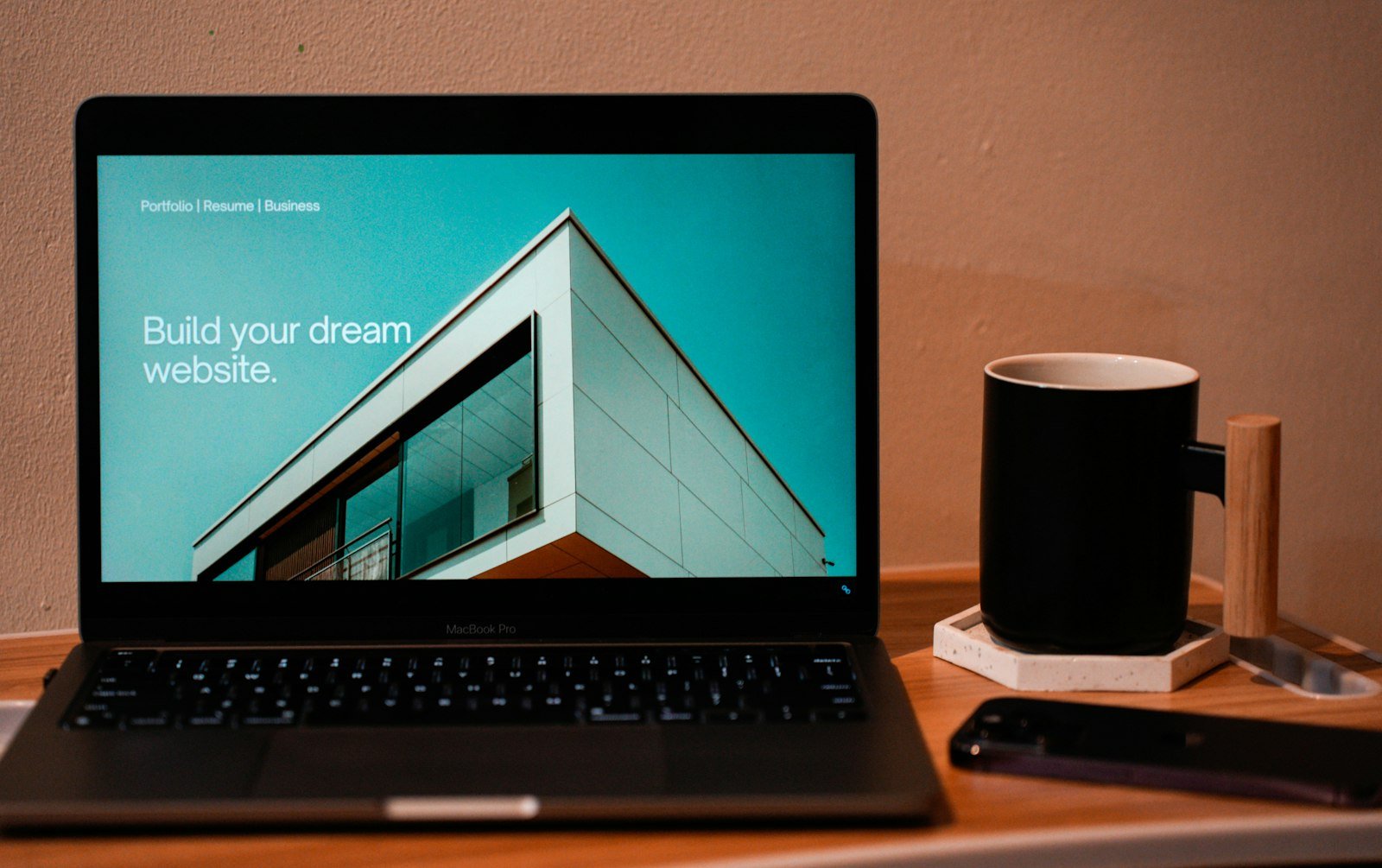
This is the mistake most speakers make when evaluating their website. They look at the design and ask whether it looks good. A template can look very good. Several of them look excellent. The problem is not aesthetic.
The problem is structural. A template is designed to be used by anyone for anything. Its page hierarchy, its content blocks, its navigation structure, and its conversion flow are all built for a general audience. A speaker’s website needs a very specific conversion flow: homepage to reel to topic page to inquiry. Most templates break that flow at the second step because they were not built knowing that event organizers watch video before they read anything else.
The problem is also strategic. A template gives you no guidance on what to say or how to say it. You fill in the boxes with whatever you write, and most speakers fill them with content written for other speakers or for their existing audience, not for the event planner sitting at a desk in a corporate office who needs a convincing reason to sign off on a five-figure investment. That mismatch between the reader and the content is invisible but expensive.

The return on investment question
The 2024 AAE/PCMA benchmark report found that the average keynote speaker booking fee sits at $22,449. The most active bracket is between $10,000 and $50,000 per engagement. A professionally built speaker website typically costs a fraction of a single booking fee. If a well-built website generates even one additional booking per year that a poor one would not have, it has paid for itself and then some.
The harder question is: how many bookings is your current website quietly costing you? The organizers who visited and left without reaching out never email you to explain why. The shortlists you were never added to leave no trace. This is the invisible cost of a website that looks fine but does not actually perform. You cannot measure it directly, but you can change the variable and watch the results shift.
How to tell if your current website is performing or just existing
- Does your homepage headline name your keynote topic and your target audience without any scrolling?
- Is your speaker reel visible within the first section of the page?
- Do you have a separate dedicated page for each keynote topic with full descriptions, takeaways, and a booking CTA?
- Do you have a downloadable media kit with headshots, bios, and your introduction script ready for organizers to use?
- Does your site load in under three seconds on a mobile phone?
- Can you be found when someone searches your keynote topic in Google without already knowing your name?
If two or more of these answers are no, your website is existing but not performing.
How much should a keynote speaker spend on a professional website?
A professionally built keynote speaker website typically ranges from $2,000 to $8,000 depending on the complexity, number of pages, and integrations required. Given that the average keynote booking fee is $22,449, a well-built website that generates one additional booking per year delivers a strong return on investment within the first engagement. The more relevant question is not how much a professional website costs, but how much an underperforming one is costing you in missed bookings.
What is the best platform for a keynote speaker website in 2026?
WordPress remains the strongest platform for keynote speaker websites in 2026 because it offers the most control over SEO, page structure, speed optimization, and custom integrations like booking systems, media kits, and email marketing tools. Squarespace and Wix can produce attractive designs but are more limited in the specific technical capabilities that speaker websites need to perform in search and convert organizer visits into inquiries. The platform matters less than the strategy and execution behind it, but for a speaker who plans to grow, WordPress built correctly gives you the most room to expand without rebuilding.
How long does it take to build a professional keynote speaker website?
A professionally built keynote speaker website typically takes two to four weeks from the initial brief to launch, depending on how quickly content, images, and approvals are provided. The timeline includes strategy, design, development, SEO setup, speed optimization, and a mobile and browser review before going live. Rushing a speaker website to launch before the content and structure are ready is one of the most common and costly mistakes, because a site that goes live underbuilt is often harder to fix than one that launched on a considered timeline.
Ready to build a speaker website that actually gets you booked?
StageNexa specializes exclusively in keynote speaker websites. We build sites that speak to event organizers, load fast on every device, show up in search results, and convert visitors into booking inquiries. Book a free call and we will show you exactly what your current site is missing.