
This is one of the most reasonable objections in the entire speaker website conversation, and it deserves a serious answer rather than a sales pitch. If you are getting real bookings through LinkedIn or Instagram, that is a genuine achievement. Your content is working, your visibility is real, and the inquiries landing in your inbox prove it. Nobody should tell you to stop doing what is clearly producing results.
Here is the part that is easy to miss from inside that success: the bookings you are getting through social media are not the full picture of the bookings you could be getting. They are the visible portion. What you cannot see are the organizers who found you, went looking for the next layer of verification, did not find it, and quietly moved on. You also cannot see the inquiries that never happened because you are invisible in every discovery channel that is not a social feed. A website does not replace what LinkedIn is doing for you. It completes it.
This post walks through exactly what a socially successful speaker is missing without a website, using the same organizer behavior patterns covered across this blog, so you can judge for yourself whether the gap is worth closing.
75%
of people judge credibility based on website design (Stanford Web Credibility Project)
70%
of speaker booking decisions involve two to five people, not just the one who found you
0
is how much of your LinkedIn or Instagram audience you actually own if the platform changes tomorrow
What actually happens after someone finds you on LinkedIn
Industry guides for event organizers consistently describe the same two-step pattern: social media and speaker websites are used together, not as alternatives. Organizers discover speakers through LinkedIn content, YouTube clips, and referrals, and then they visit the speaker’s website for topics, testimonials, the reel, and contact details before anything moves forward. Discovery happens in the feed. Verification happens on the website.
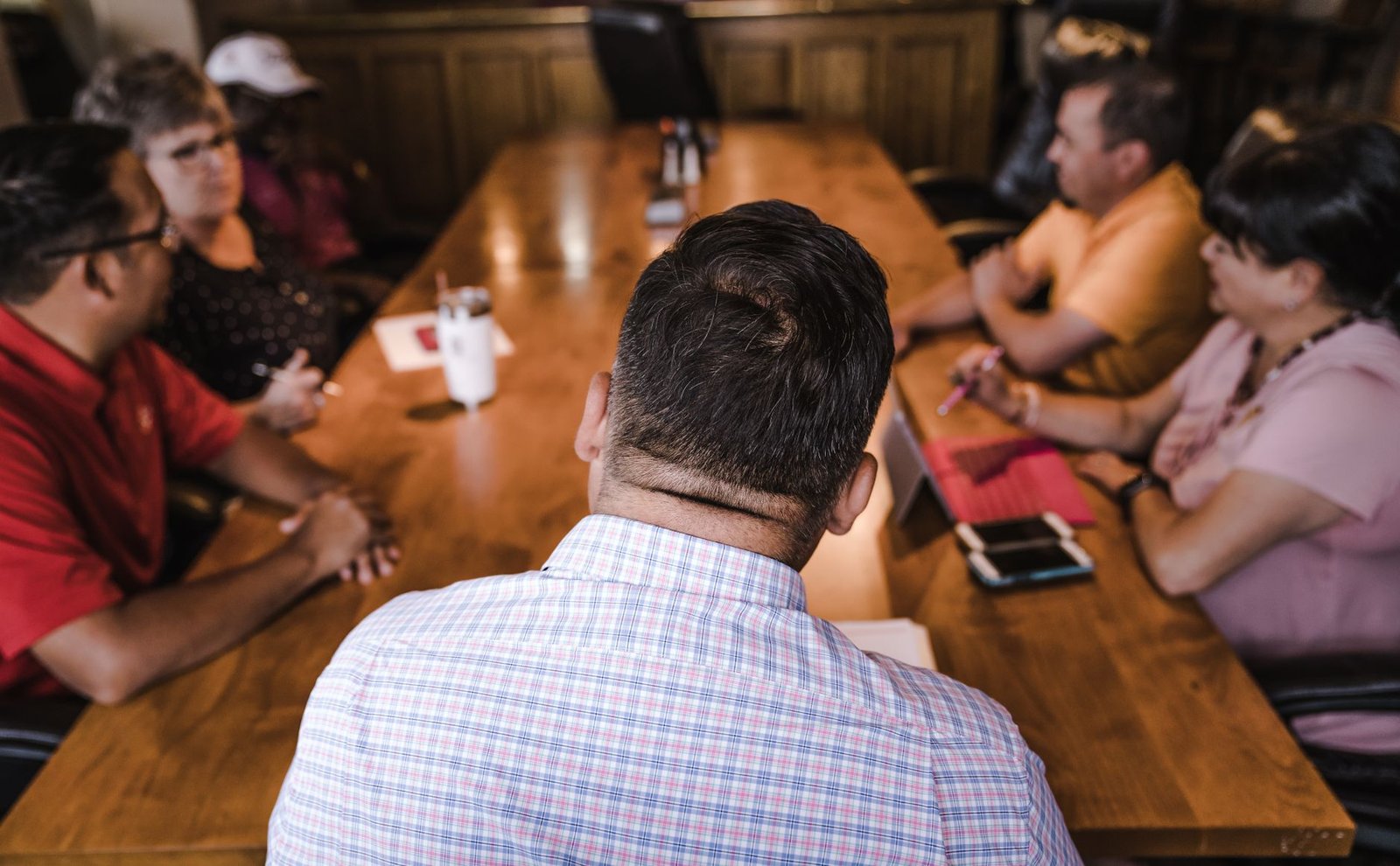
When the verification step has nowhere to land, one of two things happens. Some organizers push through anyway, usually the ones booking smaller, lower-stakes engagements where less is on the line. Others, especially those booking larger events with real budgets and internal approval processes, take the missing website as a signal and move to the next name. You only ever hear from the first group. The second group is invisible to you, which is exactly why social-only speakers rarely feel the gap. The bookings they lose are the ones they never knew existed.
Six specific things you are missing without a website
This is not LinkedIn versus a website. It is LinkedIn plus a website.
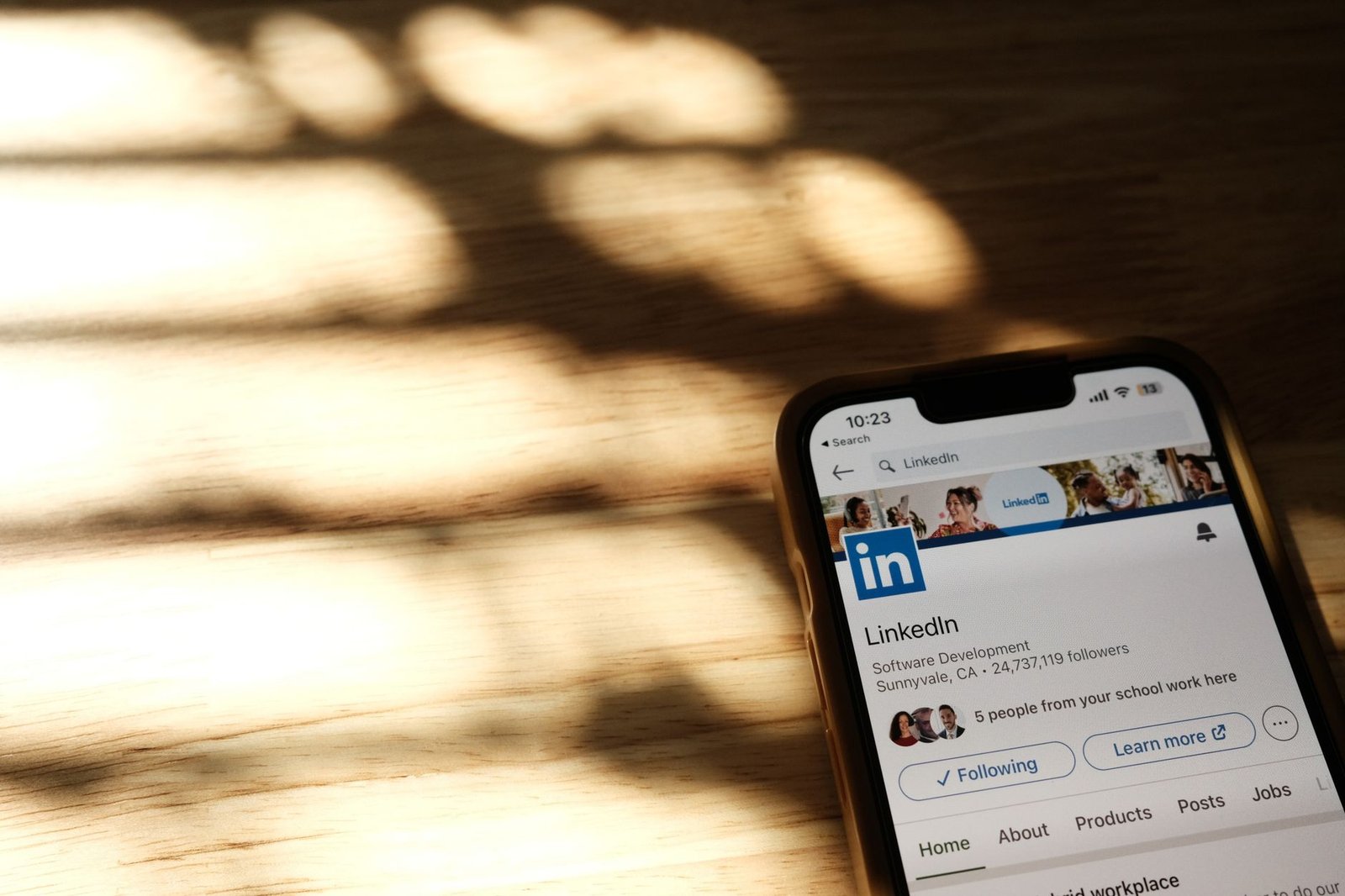
Nothing in this post suggests posting less or taking social media less seriously. The opposite is true: everything covered on this blog about getting more speaking gigs treats consistent LinkedIn activity as one of the highest-value habits a speaker can build. Social media is where attention is created. The website is where attention is converted into confident, well-paid, committee-approved bookings.
The speakers who grow fastest run both together deliberately. Their LinkedIn content creates discovery and sends people to the website. The website verifies them, equips their internal champion, captures the inquiry, and feeds Google and AI search visibility that social content cannot reach. Each side makes the other more valuable. A speaker doing only one of the two is leaving the compounding effect on the table.
Why waiting costs more than the website does
The most common response to everything above is agreement followed by delay. The website moves onto a someday list, somewhere behind the next round of content, the next few bookings, the next busy season. Here is why that delay has a real price attached to it.
First, the invisible losses described in this post are not waiting for you to be ready. Every month without a website is another month of organizers discovering you, looking for the verification layer, not finding it, and moving on. Those bookings do not queue up until your website launches. They go to other speakers and they do not come back.
Second, search visibility compounds with time, which means it punishes late starts. A website launched today begins building Google rankings and AI citation trust from today. A website launched next year starts that same clock a year late, while speakers in your niche who moved earlier keep pulling further ahead. As covered in this blog’s posts on AI search and AEO, almost no speakers have structured their websites for AI discoverability yet, which makes this a rare window where moving early creates an advantage that gets harder to claim every month it stays open.
Third, the moment you most need the website is the moment it is too late to build one. The big inquiry from the organizer with a real budget and a committee behind them arrives on its own schedule, not yours. When it lands, you either have the professional infrastructure ready or you spend that golden window sending scattered links and apologizing for materials that are coming soon. Speakers rarely get to choose when their biggest opportunity shows up. They only get to choose whether they are ready for it.
An honest check for the socially successful speaker
- If the person who found you on LinkedIn had to pitch you to their leadership team tomorrow, what exactly would they forward?
- Search your name plus your topic on Google. What shows up on the first page, and does any of it make the case for booking you?
- Ask ChatGPT or Perplexity to recommend speakers in your specific niche. Are you in the answer?
- If your LinkedIn account were restricted tomorrow, what percentage of your booking pipeline would survive?
- How many messages does it currently take between first contact and the organizer having your bio, topics, reel, and photos in hand?
Do I need a website if I already get speaking bookings through LinkedIn?
Yes, and the reason is that the bookings arriving through LinkedIn are only the visible portion of your opportunity. Organizers routinely use social media for discovery and a speaker’s website for verification before moving forward, and around 70 percent of booking decisions involve multiple people who never saw your LinkedIn content at all. A website captures the organizers who need verification, equips your internal champion to pitch you to a committee, and makes you visible in Google and AI search where social content does not reach. The website does not replace LinkedIn. It converts more of the attention LinkedIn creates into confirmed bookings.
Is a LinkedIn profile enough for a professional keynote speaker?
A strong LinkedIn profile is essential but not sufficient on its own. LinkedIn works well for visibility, content, and starting conversations, but it cannot host a downloadable media kit, individual keynote topic pages written for organizers, a consolidated testimonial and client logo section, or a clear booking process. It also does not rank meaningfully in Google searches for speaker-related queries and is not cited by AI tools the way websites are. Professional speakers at higher fee levels almost universally run both: LinkedIn for attention and relationships, and a website as the professional infrastructure that bookings actually flow through.
What happens to speakers who rely only on social media for bookings?
Three patterns tend to show up over time. First, they lose the larger, committee-approved bookings to speakers who are easier to verify and pitch internally, usually without ever knowing those opportunities existed. Second, their fees tend to settle lower because inquiries that begin as casual direct messages tend to stay casual through the fee conversation. Third, they carry platform risk: algorithm changes, reach decline, or account problems can shrink their entire booking channel overnight with no owned asset to fall back on. None of this means social media is a bad channel. It means it is an incomplete one.
Should a speaker link their website on LinkedIn and Instagram?
Yes, prominently and everywhere the platforms allow: the LinkedIn website field and Featured section, the Instagram bio link, and naturally within content when it is relevant. This turns every piece of social content into a doorway toward the owned asset where verification, evaluation, and booking actually happen. It also gradually builds direct traffic and search signals for the website itself, which strengthens the speaker’s visibility in Google and AI search over time. The speakers who benefit most from social media are the ones whose profiles all point somewhere they own.
Your LinkedIn is creating the attention. Give it somewhere to land.
StageNexa builds keynote speaker websites that turn social media attention into verified, committee-ready, well-paid bookings. If LinkedIn or Instagram is already working for you, a professional website is the multiplier, not a replacement. Book a free call and we will show you exactly what your current social success is leaving on the table.