

You wrote a truly useful article about the exact problem your keynote solves. It got a few hundred views on Medium, a decent number of likes on your LinkedIn post. It felt like progress. Then, three months later, an organizer searches your name and your topic, and neither piece shows up anywhere near the top. A near-identical article on your own website, had it existed, would have been sitting there the whole time, still working.
This is the quiet cost of writing exclusively on rented platforms. The words were good. The effort was real. But the value they should have built for you went somewhere else instead, because Medium and LinkedIn are optimized to keep readers on Medium and LinkedIn, not to send organizers to the speaker who wrote the piece.
This post breaks down what each platform is actually good for, where that value quietly stops belonging to you, and the exact order to publish in so you get the reach of both without losing what your own website should be earning.
Rented
Medium and LinkedIn decide the layout, the rules, and whether your article stays reachable at all
Owned
Your own website is the one place a keynote topic page and a blog post can link to each other and compound together
Both
The right order is write on your own site first, then use Medium and LinkedIn to send readers there
What Medium and LinkedIn are truly good for
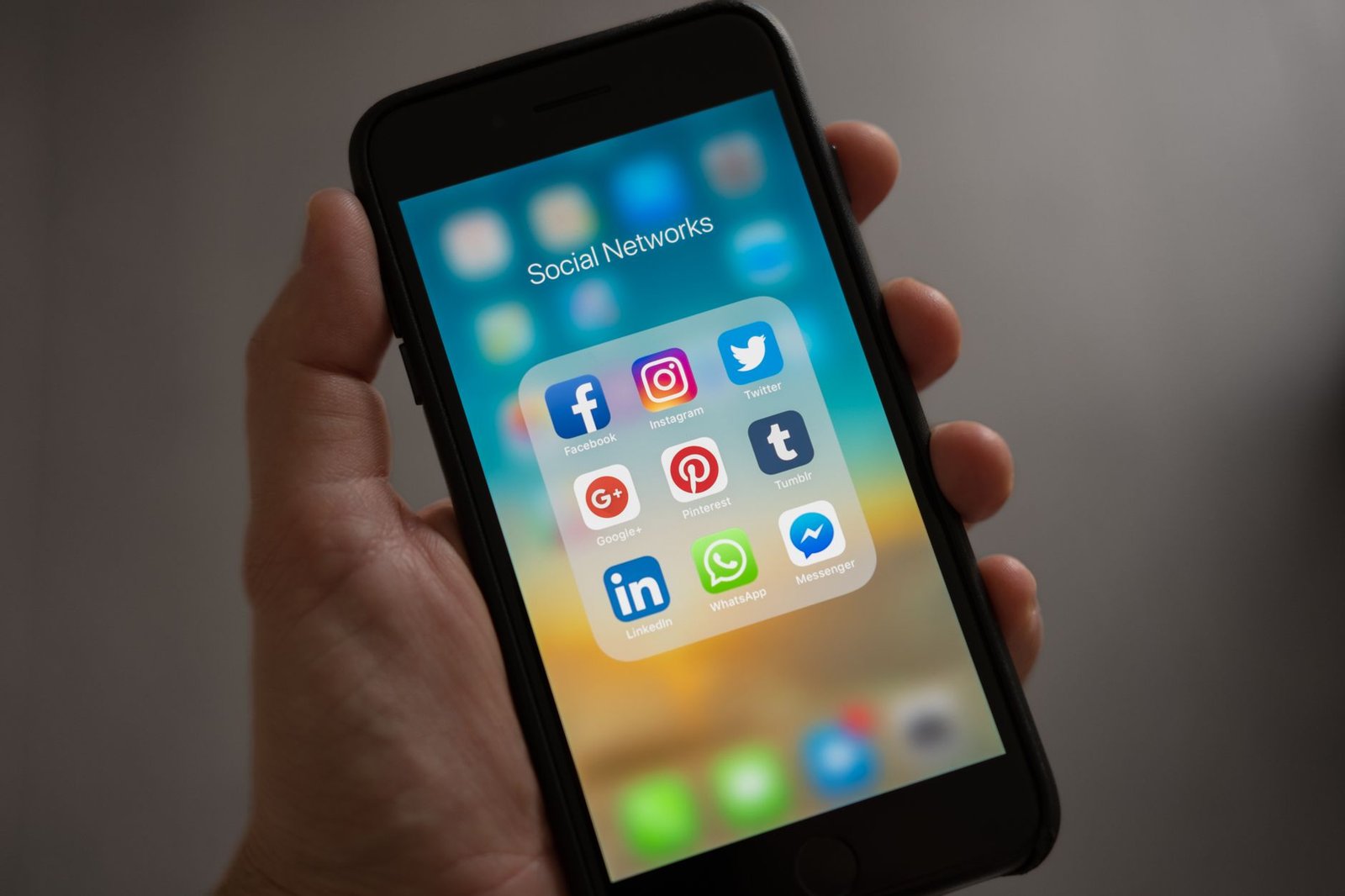
Neither platform deserves to be dismissed. LinkedIn puts your writing directly in front of people who already know you and are one notification away from reading it, which is exactly the warm audience an organizer’s internal champion often belongs to. Medium has a large built-in readership that can surface a well-written piece to strangers who have never heard your name, which matters when you are trying to be discovered outside your existing network. For a speaker with no content anywhere yet, publishing on either is a real improvement over publishing nowhere.
Both also remove the intimidation factor that keeps many speakers from writing at all. No domain, no hosting, no SEO plugin to configure, just an editor and a publish button. A speaker who finds a website intimidating will often write consistently on a platform that handles every technical decision for them, and consistent writing beats perfect writing that never gets published.
What organizers actually find when they search your name
Here is where it gets specific to speakers rather than SEO in general. When an organizer searches your name plus your topic, what surfaces is not just a ranking exercise, it is the moment they decide whether you are the real, current, credible authority on the subject. If a LinkedIn post or a Medium article outranks your own site for your own name, the organizer lands on a page you do not fully control, with no link to your keynote topic pages, no reel, no way to see your media kit, and often a sidebar full of unrelated recommended articles competing for their attention right when you need it most.
Your own website is the only place where that same search leads somewhere built entirely around getting the organizer to the next step. A blog post on your own domain can link directly to the specific topic page it supports, the way covered in our guide on keynote topic pages that get you booked. A LinkedIn article cannot do that. Neither can Medium. That single missing link is often the difference between an organizer reading an interesting article and an organizer inquiring about your availability.
There is also a permanence problem specific to how organizers research speakers over long booking cycles, often eight to twelve weeks from first search to signed contract. If LinkedIn restricts your account or changes how articles surface, or if Medium’s algorithm buries older posts, whatever momentum you built during that window can vanish mid-cycle, through no fault of your own. A website you control does not do that to you partway through a booking decision.
Write on your own site first, then let Medium and LinkedIn carry it further
The fix is not to abandon Medium or LinkedIn. It is to change the order. Publish the full article on your own website first, the same website carrying your keynote topic pages, your reel, and your media kit, so it links directly into the rest of your booking case. Once that version is live, share a shorter version on LinkedIn or import it to Medium with a link back to the original. Organizers who find you on either platform still end up exactly where you want them: on the site built to move them toward an inquiry.
This sequence also builds something that compounds specifically for a speaker’s search visibility. Every article on your own domain adds another page that can rank for the specific topics you speak on, another page structured for the AEO formatting that lets AI tools like ChatGPT and Perplexity cite you directly when an organizer asks for a speaker recommendation, and another internal link pointing back to the keynote page it supports. As covered in our post on why keynote speakers should blog, none of that compounding happens on a domain you do not control, no matter how good the writing is.
The sequence matters more than the platform choice. Your site first, always. Everything else is amplification pointing back home, not a replacement for the home itself.
Check where your writing currently lives
- Search your name plus your main keynote topic. Does a LinkedIn or Medium post outrank your own website?
- Does any article you have published link to one of your keynote topic pages, or does it dead-end where it sits?
- If you have posted on Medium, did you use the import tool with a link back to your own site, or copy and paste directly?
- If your LinkedIn account was restricted tomorrow, would an organizer researching you still find your best writing anywhere?
Should a keynote speaker publish on their own website or on Medium?
A speaker’s writing should live on their own website first. Publishing only on Medium means the search visibility that writing earns strengthens Medium’s domain, not the speaker’s, and when an organizer searches the speaker’s name, a Medium article can outrank the speaker’s own site with no link back to their keynote topics, reel, or media kit. Medium still works well as a second step, importing the same article with a link back to the original so it reaches Medium’s audience without replacing the speaker’s own page as the destination that matters.
Are LinkedIn articles enough instead of a website blog?
No. LinkedIn articles reach an existing network well, but they cannot link into a speaker’s keynote topic pages the way an article on the speaker’s own site can, and they leave long-term visibility dependent on LinkedIn’s own algorithm and account policies. A blog on the speaker’s own website remains the asset that compounds and connects directly to the pages an organizer needs to see next. LinkedIn articles work best as a shorter version that links back to the full piece.
What order should a speaker publish in across platforms?
Publish the full article on your own website first and let it get indexed. Then share a shorter version on LinkedIn, or import it to Medium using their import tool so the link points back to your original post. This way an organizer who discovers you through any platform is led back to the website built around your keynote topics, your reel, and your booking path, rather than being left on a page that dead-ends with no next step.
Does it matter if I only ever publish on rented platforms?
Yes, for two specific reasons that matter to a speaker’s booking pipeline. First, none of that writing links to your keynote topic pages, so an interested reader has no direct path from the article to inquiring about you. Second, your visibility on that platform depends entirely on rules you do not control, and organizers often take eight to twelve weeks from first search to signed booking, which is enough time for an algorithm change or account restriction to erase the momentum you built partway through their decision.
Give your writing a home that leads to a booking
Every StageNexa speaker website is built with a blog structure that links directly to your keynote topic pages, your reel, and your media kit. Book a free call and we will look at where your writing currently lives and what moving it home would change for your next inquiry.